
Key Highlights
- Nasal endoscopy provides a direct, high-definition view of the sinus openings and nasal passages.
- Imaging studies like CT scans are essential for identifying structural abnormalities or deep-seated blockages.
- Allergy testing helps determine if environmental triggers are the primary cause of chronic inflammation.
- Accurate diagnosis allows for a transition from general remedies to targeted, effective sinusitis treatment.
Introduction
Chronic sinusitis is more than just a lingering cold; it is a persistent inflammatory condition that can significantly impair your daily life. Many people spend months or even years relying on over-the-counter decongestants and sprays, only to find that their symptoms return as soon as the medication wears off. When home remedies fail, the expertise of a sinus doctor becomes invaluable. These specialists are trained to look beyond the surface symptoms to identify the physiological or environmental causes of sinus distress. By using a combination of advanced diagnostic tools and clinical experience, they can differentiate between simple infections, structural issues such as a deviated septum, or chronic inflammatory diseases. Understanding how a specialist reaches a diagnosis is the first step toward finding a long-term solution that finally offers lasting relief.
The Role of Diagnostic Nasal Endoscopy
One of the most effective tools in a specialist’s arsenal is the nasal endoscope. During this procedure, the doctor inserts a very thin, flexible tube with a tiny camera and light source into the nostrils. This allows for a magnified view of the nasal mucosa, the sinus drainage pathways, and any potential polyps or growths that might be obstructing airflow. While the thought of a scope may be daunting, the process is typically performed after applying a local anaesthetic spray, making it a relatively quick and painless experience. The direct visual evidence obtained from an endoscopy is far more accurate than a simple external examination, enabling the doctor to tailor a sinusitis treatment plan based on the exact state of your internal nasal passages.
Advanced Imaging through CT Scans
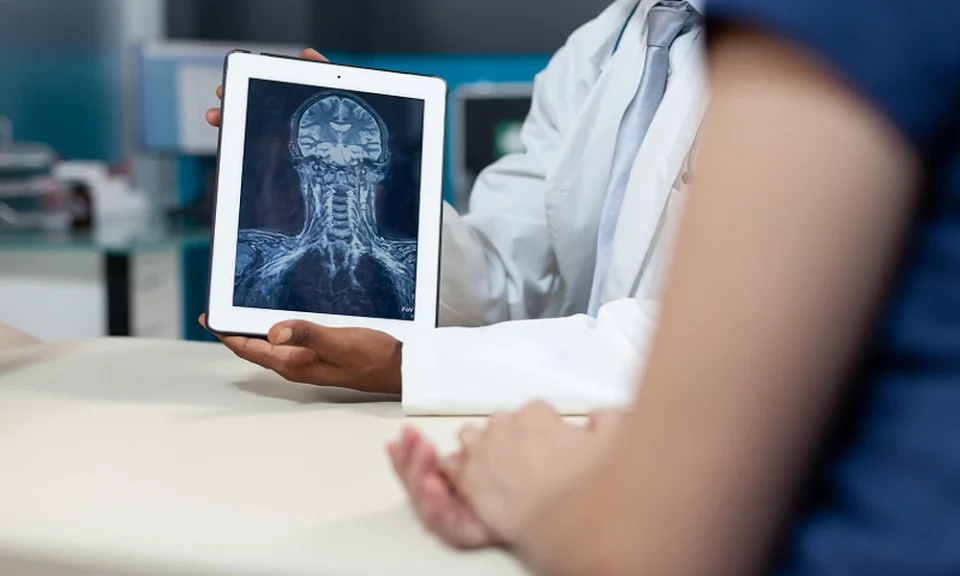
While an endoscope provides an excellent view of the nasal cavity, it cannot see through the bone into the various sinus cavities located in the forehead and cheeks. This is where a Computed Tomography (CT) scan becomes essential. A sinus doctor will often request a specialised scan to create a detailed map of your sinus anatomy. These images reveal whether the sinuses are filled with fluid, thickened tissue, or whether there are structural narrowings that prevent proper drainage. This level of detail is crucial for determining if your condition requires medical management or if a more involved intervention, such as functional endoscopic sinus surgery, is necessary to clear the pathways.
Allergy Testing and Environmental Assessments
In many cases, chronic sinus issues are not caused by an infection but are a secondary reaction to environmental allergens. If a patient presents with symptoms such as sneezing, itchy eyes, and clear nasal discharge alongside their sinus pain, the doctor may recommend allergy testing. This can involve skin prick tests or blood tests to identify specific triggers such as dust mites, mould, pet dander, or local pollens. Identifying these triggers is a vital component of a comprehensive sinusitis treatment strategy. By managing the underlying allergic response, the doctor can reduce overall inflammation in the nasal passages, which often prevents recurring sinus infections without the need for frequent antibiotics.
Microbiological Cultures for Targeted Therapy
If a patient has suffered from recurring infections that do not respond to standard medications, the specialist may take a swab or culture from the nasal discharge. This sample is sent to a laboratory to identify the specific bacteria or fungi responsible for the inflammation. This step is particularly important because it ensures that the prescribed sinusitis treatment is exactly right for the specific pathogen involved. Using the correct, targeted antibiotic or antifungal medication reduces the risk of antibiotic resistance and increases the likelihood of a successful recovery. This methodical approach ensures that every aspect of the patient’s condition is accounted for before definitive therapy is commenced.
Conclusion
Navigating chronic sinus pain requires more than just patience; it requires a precise diagnostic approach. By consulting a dedicated sinus doctor, you gain access to the tools and knowledge necessary to pinpoint the exact cause of your discomfort. Whether through the direct visualisation of an endoscopy, the detailed mapping of a CT scan, or the clarity of allergy testing, these diagnostic steps pave the way for an effective and personalised treatment plan. Moving away from temporary fixes and toward a professionally guided strategy can restore your ability to breathe freely and improve your overall quality of life. Do not let chronic congestion hold you back when a specialist can help you find a clearer path forward.
Visit Dr Jenica Yong today for a professional evaluation and a personalised plan to manage your sinus health effectively.
