
Endometriosis affects roughly 1.5 million women in the UK, and yet getting a diagnosis still takes an average of eight years. Eight years of being told the pain is normal, that it’s “just bad periods”, that maybe try ibuprofen. By the time most women get answers, they’ve already spent years trying to manage symptoms that can be genuinely debilitating, and the options on the NHS remain frustratingly limited. It’s no wonder people are looking elsewhere.
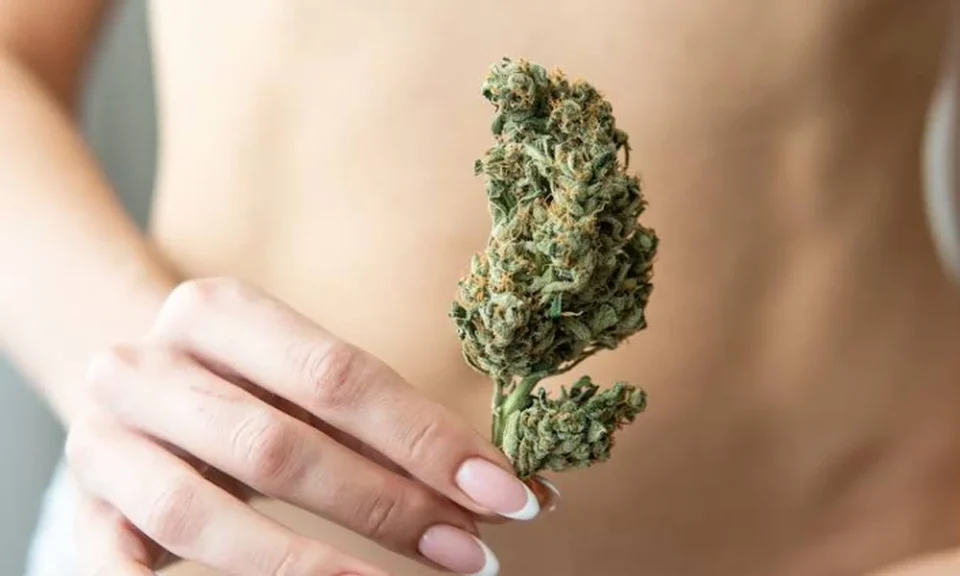
Medical cannabis has started coming up a lot in endometriosis communities online, and not just in a vague, hopeful way. Women are sharing specific experiences, specific clinics, specific products. The conversation has moved from “I wonder if this will help” to “here’s what worked for me”. It doesn’t mean it’s a cure, and anyone who tells you it is should probably be ignored. But there’s a growing body of evidence suggesting it might be genuinely useful for some of the hardest symptoms to treat.
What the Pain Actually Looks Like
If you don’t have endometriosis, it can be difficult to explain just how varied and relentless the pain is. It’s not just period pain. There’s pelvic pain that lasts throughout the month, pain during sex, pain when using the toilet, and a kind of deep, grinding achiness that standard painkillers often barely touch. Many women with endometriosis end up cycling through prescription after prescription, but some find that nothing really works consistently.
The inflammation aspect of it is also significant. Endometriosis is caused by tissue similar to the uterine lining growing outside the uterus, and the inflammation this results in is chronic, not occasional. This is essential to remember when you’re thinking about potential treatments; anything that only addresses pain, not inflammation, is only doing half the job.
Hormonal treatments and surgery are the main conventional options, and they help some people immensely. However, they don’t work for everyone, and they come with their own side effects, and for many women the pain returns. There’s a real gap in the middle ground between “this isn’t working” and “I’m not sure what else to try”.
Where Cannabis Fits Into This
The endocannabinoid system plays a role in pain regulation and inflammation, and it’s also present in reproductive tissue. That’s part of why researchers and patients alike have become interested in whether cannabinoids might have something useful to offer here. The science is still developing, it’s honest to say that, but it’s not starting from nothing either.
Medical cannabis in the UK is legal when prescribed by a specialist, and it’s not something you can just pick up from a GP. You need to go through a licensed clinic, and the prescribing process involves looking at your history, what you’ve already tried, and whether cannabis is actually appropriate for your situation. It’s more structured than a lot of people assume.
For anyone trying to get their head around what’s actually known about cannabis for endometriosis, there’s some genuinely useful information being published by UK clinics covering what the current evidence suggests, how the endocannabinoid system interacts with endometrial tissue, and what a realistic picture of potential benefits actually looks like. It’s worth reading before you go into any consultation.
Some women report that cannabis, particularly CBD-rich or balanced THC/CBD formulations, has helped them sleep through pain that previously kept them awake, or taken the edge off days that were otherwise unmanageable. Others haven’t found it helpful. There’s no universal answer here, which is sort of the whole problem with endometriosis in general.
Getting an Honest Assessment
The main thing to understand is that a reputable clinic isn’t going to promise you relief. What they should be doing is taking a proper history, understanding what you’ve already tried, and being straight with you about whether cannabis is likely to help in your specific case. If a clinic feels like it’s just processing people through quickly, that’s worth paying attention to.
Endometriosis is genuinely underfunded and under-researched, and women with the condition have spent years having their pain dismissed. It makes complete sense that people are exploring every available option. Medical cannabis might be part of the picture for some, and getting proper information about it, from credible clinical sources rather than social media anecdotes, seems like a reasonable place to start.
