
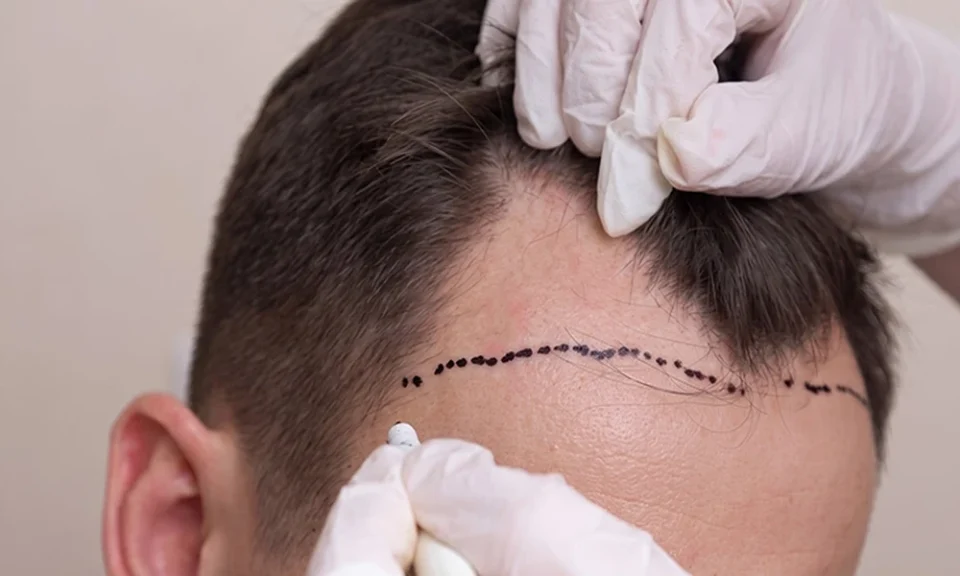
A sales manager wants his receding temples filled before his sister’s wedding. He doesn’t want to shave his head, because people at work would notice. When he asks about options, the word DHI keeps coming up. A consultation at a dhi hair clinic in thailand often starts with this kind of patient. He cares about density, and he wants the surgery to stay low key.
Patients Who Often Lean Toward DHI
DHI suits some cases more than others. Surgeons often suggest it for these patients.
- People who want to fill thinning areas without shaving the whole head.
- Men who want a dense, sharp front hairline.
- Patients with existing hair in the area that needs protecting.
- Small jobs like the temples or covering an old scar.
- Eyebrow or beard work, in clinics that offer it.
For large bald areas, many surgeons still prefer standard FUE. It can move more grafts in the same amount of time.
The Costs That Come With Precision
The DHI is slower. Each pen has to be loaded by hand, one graft at a time. A big session may stretch into two days.
It usually costs more as well. The pens are special tools, and the method needs a trained team working at a steady pace.
Who uses the pen matters most of all. During the first call with a dhi hair clinic in thailand, patients can ask whether the doctor does the implanting or only supervises. Some clinics leave most of the placing to technicians. That may be fine, but it should be clear before any deposit is paid.
Keeping the Head Unshaven
Many patients like the DHI because the head doesn’t always need a full shave. The donor area may only be trimmed in narrow strips that longer hair can cover.
This needs careful planning. Trimming only small strips limits how many grafts can come out in one session. Patients with longer hair at the back benefit most. Patients with very short hair have less to hide the trimmed areas.
The front area may be left uncut as well, since the pen can work between existing hairs.
How Healing Unfolds
After the DHI, small crusts form around each new graft. They usually fall off within about two weeks. Some patients see less redness because the openings are tiny, though this depends on skin type.
The next stages match FUE closely. Most planted hairs shed between week two and week six. Thin new hair often starts around month three or four. The full result tends to show at about 12 months, and sometimes later.
Gentle washing and a raised pillow are normal for the first few days. Hard exercise usually waits a couple of weeks.
Patients planning surgery around a big event should count back at least a year. A wedding three months after surgery will usually fall during the thin stage, when new hair has only just begun to show.
