
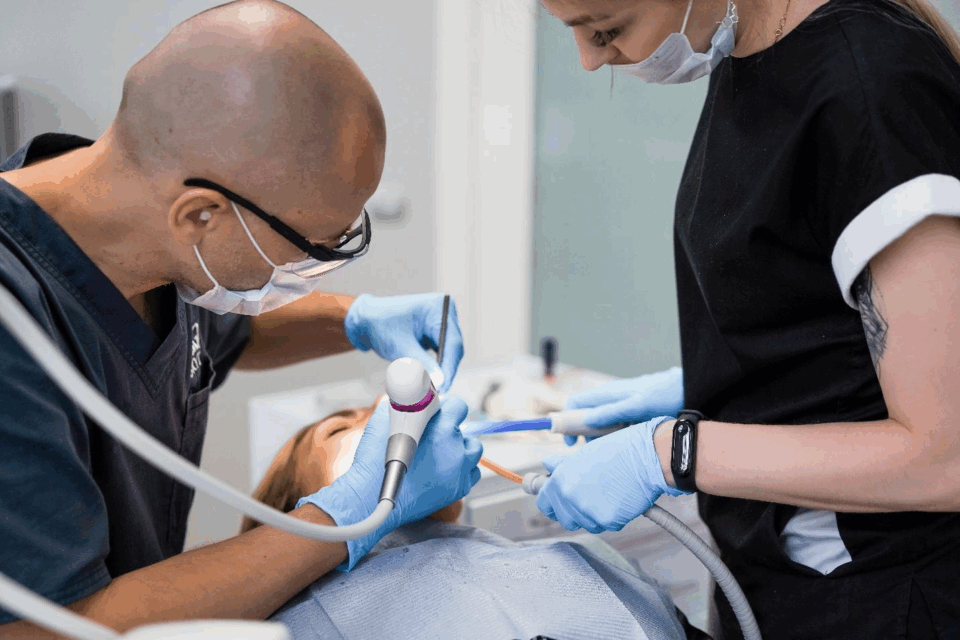
Staying calm and knowing what to do next can mean the difference in saving or losing a tooth. This guide will take you through what to look for to determine if it’s an emergency, what to do first, when you should go to the ER, and what steps you can take to prevent it from happening again.
What Counts as a Dental Emergency?
A dental emergency is any situation in which you have to have a situation be taken care of right away in order to prevent bleeding, pain, or loss of a tooth. A dental emergency is warranted if you experience any pain that is not relieved by over-the-counter medications, a tooth that is cracked with sharp edges, a tooth that has been knocked out, swelling of your face or jaw that makes it hard for you to swallow or breathe, and a cut of your lip, tongue, or gums that won’t stop bleeding after applying gentle pressure. You can read more here.
Calling an emergency dental office immediately can prevent more extensive and expensive treatment afterward. Family dental practices tend to offer same-day emergency appointments, even on weekends or evenings.
Steps to Take Right Away
The goals are to relieve pain and bleeding, protect the injured area, and call a dental practice for instructions on what to do next. Lay your head in an elevated position, consciously take deep breaths, and do not expose yourself to extreme temperatures (very hot coffee or ice-cold drinks) until you know what the condition is. If you have a dental practice that you consider your “home,” call and follow the instructions on the voicemail for urgent care.
- For tooth pain: Rinse with warm salt water and floss gently to remove any food that may be stuck between your teeth. Do not put aspirin directly on a gum—it can burn tissue.
- Crook or broken tooth: Save any tooth pieces, rinse out your mouth, and pack the wound with a cold compress to help reduce swelling. Avoid using that side of the mouth while eating. Temporary dental wax can cover sharp edges until you’re seen for evaluation or tooth replacement.
- Lost filling, permanent crown: Clean any debris or food off of the area and cover it with a small amount of dental cement (which you can purchase at a pharmacy) to act as a temporary seal. Do not apply superglue or a similar product to your tooth.
- Bleeding from soft tissue: If you have bleeding, apply continuous and gentle pressure with something clean like gauze or the bag from a tea bag for about 10–15 minutes. If the bleeding doesn’t decrease after 10–15 minutes, seek urgent care.
- Swelling or possible infection: Never ignore facial swelling, fever, or a bad taste that you began with pain. Call a dentist immediately as infections can spread quickly.
How to Handle a Knocked-Out Tooth
If it is a permanent (adult) tooth and it is completely out, you will have the best chance of saving the tooth if you manage it within 30–60 minutes. Pick up the tooth by the crown (the white chewing surface) not the root. If it is dirty, rinse it quickly with milk or saline solution – don’t scrub it, and you should never remove any tissue that is still attached! If at all possible, gently replace the tooth into the socket of the tooth, and then bite gently on gauze to keep the tooth in. If that is not possible, you may place the tooth in cold milk or in an emergency tooth preserving kit. Stay away from regular water, as it can be detrimental to root cells. You should see a dentist immediately for stabilizing care.
In cases where a tooth belongs to a young child and might be a baby tooth, do not attempt to reinsert the tooth; instead, call your dentist to get guidance on how to proceed, as pediatric and family dentistry approaches are usually quite different.
As part of a long-term treatment plan, your dentist will discuss options from conservative bridges to implants.
Should You Go to the ER?
While most dental emergencies are best handled by a dentist and not at the hospital, as dentists have the proper equipment to address the issue right then and there. There are a few situations that can potentially represent medical emergencies. If you can’t get in touch with a dentist, and you can’t wait and your symptoms are severe, error on the side of caution.
- Willingly go to the ER or urge care if the following happens: you have uncontrolled bleeding, a broken jaw or facial fracture-see https://www.webmd.com/a-to-z-guides/facial-fracture for more, trouble breathing, severe swelling on the face heading toward the eye or neck area, or fever with chills. You may need IV antibiotics, imaging, or oral surgery.
- Call or visit a dental office first for cracked teeth, lost fillings or crowns, broken dentures, mild to moderate toothache, or a chipped tooth not causing severe pain you would go to the hospital. A dental office can always provide appropriate numbing and drainage, place a same day crown in some cases, or definitive care not available in the ER.
- If you’re immunocompromised or pregnant, tell the provider when you call; your care plan may change in order to provide safer care for you.
It is also important to note that while hospitals can manage pain and infection, they rarely do definitive dental repairs. Following up with an emergency dentist is important after stabilization in the ER if you value your cosmetic dentistry and function.
Preventing Future Emergencies
Many of these emergencies can be easily prevented with appropriate consistent habits and timely check-ups. Be diligent to keep a regular schedule of cleanings and a comprehensive dental examination so that small cracks, fillings that are worn down, and early cavities can be caught before they become a break or infected. This is the heart of preventive care to protect both your smile and your budget.
At home, wear a custom fitted mouthguard for contact sports and nightguards if you grind or clench your teeth. Do not use your teeth as tools for opening, biting down on pen caps, hard crustaceans, ice, or packs for lineup. Stay on top of exchanging your aging dental work and replace it before it fails. Follow your dentist’s instructions after dental procedures so that you continue to heal as expected. If you smoke, you may like to consider quitting—as tobacco increases your risk for gum infections and slows your recovery time after treatment. Finally, create a relationship with your local dental team. Knowing you have a dental office that knows you and can get you in is helpful timewise and true help.
Emergencies can be very stressful, but do not feel powerless. With a clear plan, prompt action, and the right people on your side, you will relieve pain, save teeth, and protect your health for the long haul.
