
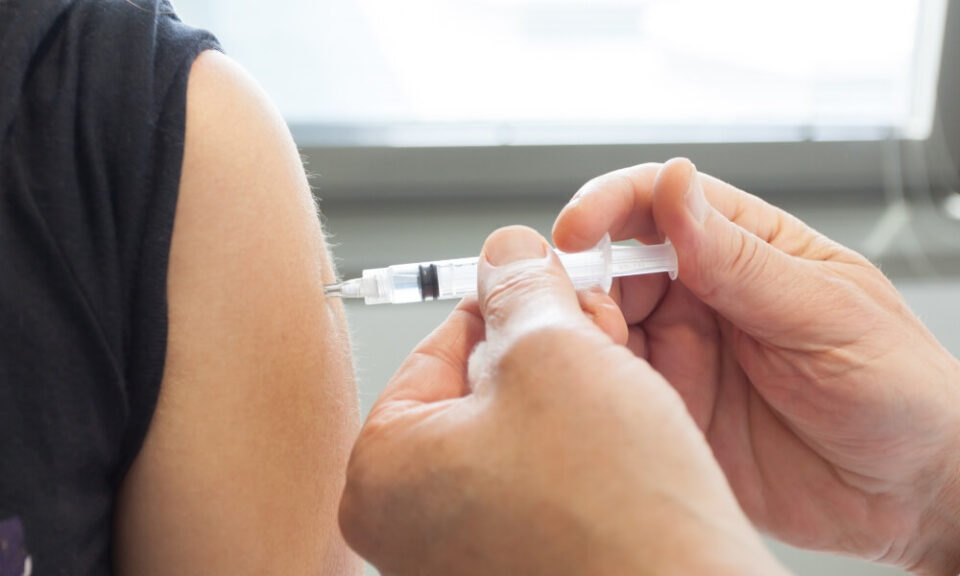
Shingles, or more commonly referred to as herpes zoster, is a disease that plagues numerous adults later in life. It is derived from the reactivation of the same virus that makes chickenpox. For Filipinos who experienced chickenpox during their childhood, the risk of shingles rises as they grow older. This is where the shingles vaccine Philippines can play as a significant preventive measure.
This manual informs one about the person who requires the vaccine, why he/she should get it, and how Filipinos can obtain it.
Understanding the Risk of Shingles
Once one recovers from chickenpox, the virus is in hiding within nerve tissue. Years or decades afterward, it can reappear and produce shingles. The symptoms usually are:
- Painful rash or blisters, typically on a single side of the body
- Tingling, itching, or burning before the rash erupts
- Potential long-term nerve pain called postherpetic neuralgia
While shingles is not typically life-threatening, it can be extremely painful and lead to complications, particularly in older people. That is why the zoster vaccine Philippines is more and more widely talked about among healthcare professionals.
Who Should Consider the Shingles Vaccine?
The vaccine is not for everyone, but some people are highly recommended to receive it:
Adults Over 50
Individuals over 50 years of age are most susceptible to developing shingles. Their immune defenses decrease naturally with aging, and their body finds it increasingly difficult to combat the virus.
Individuals with Compromised Immune Systems
Those receiving cancer therapy, being on long-term steroid therapy, or suffering from persistent diseases could have an impaired immune response. Vaccination alleviates their susceptibility.
Individuals with a History of Serious Illness
Filipinos who have gone through conditions that weaken the immunity levels, including HIV, diabetes, or kidney disease, should also include the shingles vaccination Philippines in their health plan.
Adults Who Desire to Prevent Complications in the Long Run
Healthy adults can also get vaccinated to prevent postherpetic neuralgia, a painful condition that can occur many months after the shingles rash has healed.
When to Hold Off or Avoid Vaccination
Not all persons are qualified to be given the vaccine at once. Individuals should postpone or avoid vaccination if:
- They have active shingles or infection
- They are pregnant or are about to become pregnant
- They have experienced an allergic reaction to a prior dose or component of the vaccine
Seeing a physician prior to booking an injection is the best course of action.
Shingles Vaccine Price in the Philippines
Among the shared worries is the shingles vaccine cost Philippines. Prices may differ based on the clinic or hospital, but it typically costs a few thousand pesos for each dose. Two doses are needed by some vaccines for full protection.
Although the cost may seem high, it is usually less expensive than the cost of medical bills and pain management that comes with shingles and its complications. It is seen by many Filipinos as a health investment and not just a cost.
Accessibility of the Vaccine
The shingles vaccine Philippines can be accessed at some hospitals, vaccination centers, and private clinics. As awareness on adult immunization grows, there are more healthcare providers who include it in their preventive health services. Online health websites also facilitate booking appointments and knowing more about the zoster vaccine Philippines.
Making Preventive Health a Priority
Preventive care is overshadowed by reactive treatment in the Philippines. However, with adult vaccines such as the shingles shot now available to Filipinos, they can have a chance to prevent painful illnesses before they even begin.
The shingles vaccination in the Philippines isn’t just about avoiding a rash—it’s about preserving one’s quality of life, independence, and overall long-term health. For those who qualify, discussing with a healthcare provider when to get vaccinated is a healthy step towards healthier aging.
