
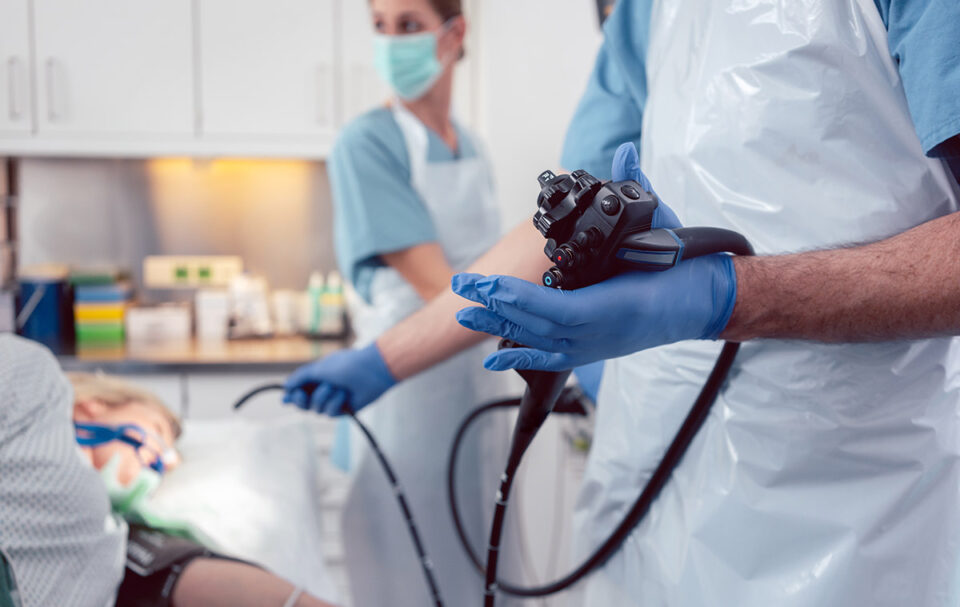
Endoscopy is a common procedure used to examine the inside of the digestive tract, often to diagnose conditions like acid reflux, ulcers, or gastrointestinal bleeding. While the procedure itself is relatively quick and minimally invasive, several factors can influence the overall cost—one of the most significant being sedation. Understanding how sedation impacts the cost of endoscopy can help patients make informed decisions about their care and budget for their medical expenses appropriately.
What Sedation Is and Why It’s Used
Sedation is commonly administered during an endoscopy to make the patient more comfortable and reduce anxiety. There are different levels of sedation, ranging from mild (where you are drowsy but awake) to deep sedation (where you’re almost fully unconscious but still breathing on your own). In some cases, general anesthesia may be used, particularly if the patient has medical complications or is undergoing a more complex procedure.
The type of sedation used often depends on the patient’s medical history, anxiety levels, and the healthcare provider’s recommendations. Although sedation makes the experience smoother, it comes with added costs due to the drugs used, the need for monitoring, and possibly the involvement of an anesthesiologist.
How Sedation Increases the Total Cost
One of the most direct ways sedation affects the endoscopic procedure cost is through additional service fees. If intravenous (IV) sedation or general anesthesia is used, the cost typically increases due to several components. These may include the anesthetic medications, specialized equipment for monitoring heart rate, oxygen levels, and breathing, and the expertise of medical staff trained in administering sedation.
In clinics or hospitals where an anesthesiologist is required to be present, their professional fee will also be factored into the total bill. This can make a significant difference, particularly in private healthcare settings where each service is itemized.
On the other hand, if the endoscopy is performed using only a local anesthetic (such as a throat spray) or light sedation, the overall cost is generally lower. Patients are awake and aware but more comfortable, and the procedure can be carried out with fewer resources.
Insurance and Sedation Coverage
Health insurance coverage can also play a role in determining how much sedation will affect your out-of-pocket expenses. In some healthcare systems or private insurance plans, only basic sedation is covered, while deeper sedation or anesthesia must be paid for separately. Some insurers may require prior approval or deem certain levels of sedation medically unnecessary, which could result in higher personal costs.
It’s important to check with your insurer or clinic beforehand to understand what’s included in your endoscopy package. Clarify whether sedation is optional or bundled into the quoted price, as this can significantly affect the final endoscopy cost.
Cost Comparisons Between Sedation Options
To illustrate the difference, consider a scenario where a standard diagnostic endoscopy costs SGD 800 without sedation. Adding conscious sedation may increase the cost by SGD 200 to SGD 500, while opting for general anesthesia could add upwards of SGD 1,000 depending on the facility and provider.
Some clinics offer flat-rate packages that include mild sedation, while others charge separately for each service. Comparing multiple clinics or hospitals before booking your procedure can help you find a more cost-effective option without compromising safety or comfort.
When Sedation Is Worth the Cost
Although sedation adds to the endoscopy cost, it’s not always something to avoid. For patients with high levels of anxiety, a sensitive gag reflex, or conditions that make it hard to stay still, sedation can make the procedure safer and more tolerable. In these cases, the additional cost may be justified by the overall improvement in the patient experience and procedural success.
In more complex procedures or therapeutic endoscopies, sedation may be non-negotiable for both patient comfort and precision. Discussing your medical history and comfort level with your doctor can help determine the right approach for you.
Planning Ahead and Asking the Right Questions
To manage your endoscopy expenses wisely, it’s a good idea to ask detailed questions before the procedure is scheduled. Find out whether sedation is included in the quoted price, what type of sedation is typically used, and whether alternatives are available. Knowing these details in advance helps avoid unexpected charges and allows you to explore more budget-friendly options if needed.
Some clinics even offer sedation-free endoscopies for patients who are comfortable with the idea, which can significantly reduce the total cost while still providing accurate diagnostic results.
Conclusion
Sedation plays an important role in the comfort and smooth execution of an endoscopy, but it also has a clear impact on the overall endoscopy cost. Understanding the types of sedation available, how they are priced, and what’s covered by insurance can help you make informed choices about your care. While it’s tempting to cut costs by opting out of sedation, in some cases, the benefits may far outweigh the extra expense. Planning ahead and having a clear conversation with your healthcare provider will ensure that you get the care you need within a budget you can manage.