
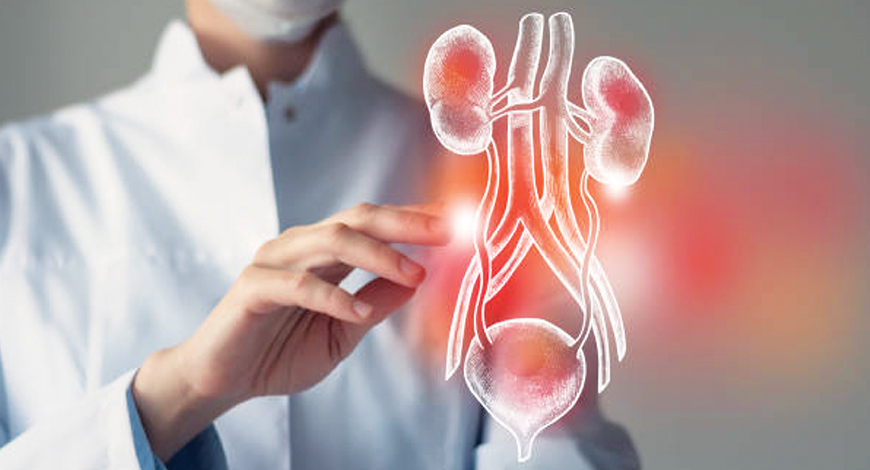
For decades, dialysis treatment for kidney failure has largely meant regular visits to specialized centers, where patients undergo lengthy sessions connected to large, immobile machines. While these treatments are lifesaving, the fixed-location nature of conventional dialysis often disrupts daily life, limits travel, and places considerable strain on patients and their families. In recent years, however, advances in medical technology have been paving the way for a significant shift — from traditional hospital-based care to portable dialysis devices and wearable artificial kidneys. These innovations are redefining convenience and patient independence, and it is worth exploring how they work, their potential, and the challenges ahead to learn more about this evolving area of healthcare.
Why Mobility Matters in Dialysis
Chronic kidney disease (CKD) is a growing global health issue, with millions of patients requiring dialysis to replace lost kidney function. Conventional hemodialysis typically demands three sessions per week, each lasting about four hours, in a hospital or dedicated clinic. This rigid schedule can make it difficult for patients to maintain employment, travel, or manage personal responsibilities.
Portable dialysis devices aim to break this limitation. Designed to be compact and lightweight, these machines can be used at home or even on the move, allowing treatment to fit into a patient’s lifestyle rather than the other way around. This flexibility can help reduce treatment fatigue, improve mental well-being, and potentially enhance adherence to medical advice.
How Portable Dialysis Works
Portable dialysis units function similarly to traditional machines, removing waste products and excess fluid from the blood. However, they often require less water, have simplified setup processes, and are easier to maintain. Some can even run on battery power, which opens possibilities for travel or use in areas with unreliable electricity.
For example, wearable dialysis devices, often referred to as wearable artificial kidneys, are designed to operate continuously while the patient goes about their daily routine. Instead of three or four large sessions per week, these devices could provide a slow, gentle, and ongoing blood filtration process, which may more closely mimic natural kidney function.
Potential Benefits for Patients
The shift toward portable and wearable dialysis could bring several benefits:
- Improved Quality of Life: Patients can integrate treatment into their day without being tied to a clinic schedule.
- Reduced Physical Strain: Continuous treatment may lead to fewer blood pressure drops, cramps, or fatigue, which are often associated with traditional dialysis sessions.
- Broader Access to Care: In regions where dialysis centers are scarce, portable options could make life-saving treatment more accessible.
Additionally, portable systems could help alleviate the burden on healthcare infrastructure by reducing the demand for in-center dialysis slots.
Challenges and Limitations
Despite the promise, these technologies face hurdles. Cost is another factor — new technologies can be expensive, and widespread adoption may require changes in insurance coverage and government healthcare policies. Factors such as medical history, vascular access type, and personal ability to manage the equipment independently play a role in determining suitability.
The Road Ahead
Clinical trials are assessing not only their safety and effectiveness but also their long-term impact on patients’ lives. If these innovations can be made affordable, reliable, and widely available, they could significantly transform kidney care in the coming decades.
While these developments are promising, they are not yet a complete replacement for traditional dialysis in all cases. The technology is still evolving, and patients should work closely with their healthcare teams to decide whether these options are appropriate for their individual needs. To learn more about ongoing advancements, medical journals and kidney health organizations often provide updates on research trials and device approvals, offering valuable insight into how these solutions may soon become part of standard treatment.
