
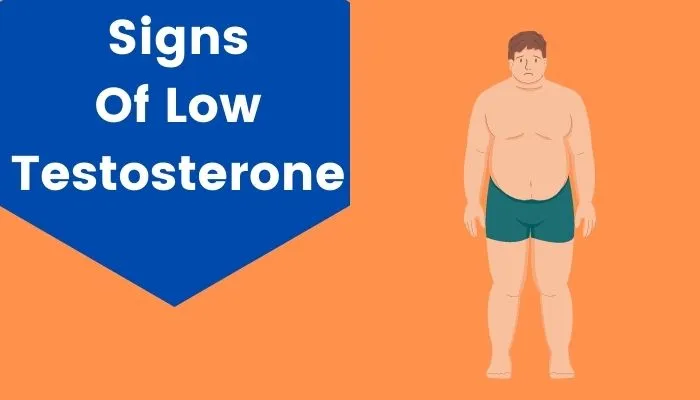
You’re not refreshed after sleep. Your workouts no longer yield the results you used to achieve. Your mood is different, and, to tell you the truth, you do not even understand why. These are not simply bad days. There could be indications of your testosterone declining.
Testosterone is not just the thing that makes your muscles grow or increases your libido. To put it simply, the hormone is the main controller of your mind, emotions, and body. An extremely low level of it makes life very hard, and still, you do not understand why.
Symptoms Of Low Testosterone
-
Energy Levels:
- Decreased stamina; feeling fatigued by 2 PM despite adequate sleep.
-
Mood Changes:
- Depressive feelings intensify.
- Very often, a person gets into a heightened state of irritability.
- Mental fog is making it difficult to focus on tasks.
-
Physical Changes:
- Gradual decrease in muscle mass; strength is hard to increase.
- Accumulation of body fat, especially around the belly and chest regions.
- Experiencing a feeling of weakness during workouts.
-
Sexual Function:
- Loss of sexual desire.
- The inability of sexual performance to reach the expected level.
-
Other Symptoms:
- Sometimes hot flashes or night sweats.
- Body pains without a known cause.
- Hair is becoming thinner both on the body and face.
- The bones have become more brittle than before.
-
Sleep Issues:
- Trouble with falling asleep and waking up frequently in the night.
- The state of being very tired still goes on and thus creates a vicious circle of symptoms.
- Why This Matters?
- Testosterone is a hormone that declines naturally at a rate of about 1% per year after age 30. However, in certain males, the reduction is quicker, or the levels become much lower than average. The term low testosterone is used when the level drops below 300 nanograms per deciliter.
- The problem? These disorders don’t just disappear. They accumulate slowly. A decrease in testosterone has been implicated in the rise of body weight, the decrease of bone density, and the risk of cardiovascular problems later in life.
- Hence, your health is getting worse now, and the likelihood of health issues keeps going up in the future.
Getting Real About Testosterone Replacement Therapy
-
Recognizing Symptoms
- If you were to exhibit symptoms typical of low testosterone, it would be very important to undergo blood tests. A straightforward examination can give a complete picture of your testosterone levels and thus help in deciding whether a treatment is needed.
-
Importance Of Professional Evaluation
- A thorough assessment by a doctor is essential. They will
- Assess your symptoms
- Analyze your blood test results
- Review your health history
-
The Nature Of TRT
- Testosterone Replacement Therapy (TRT) is not just a quick fix or something to take lightly; it’s a legitimate medical treatment for a specific condition. When administered correctly, the benefits include:
- Increased energy
- Stabilized mood
- Muscle rebuilding
- Restored mental clarity
- If you’re searching for answers, the Lifewell TRT clinic in Palm Beach provides proper evaluation and treatment plans tailored to your needs. They eliminate the guesswork. Their doctors understand testosterone replacement and how to do it safely.
- What to Do Next?
- Don’t consider these symptoms to be simply aging. Male sometimes explain changes in their moods and tiredness as unavoidable things. However, they are not.
- Schedule a consultation. Get tested. Speak with a doctor who understands hormone-related problems. They’ll help you understand if TRT makes sense for you. The Lifewell TRT clinic in Palm Beach can walk you through the entire process without pressure.
- Doing what is needed today prevents a long period of unnecessary suffering. Later on, both your physical and mental selves will be grateful to you.
