
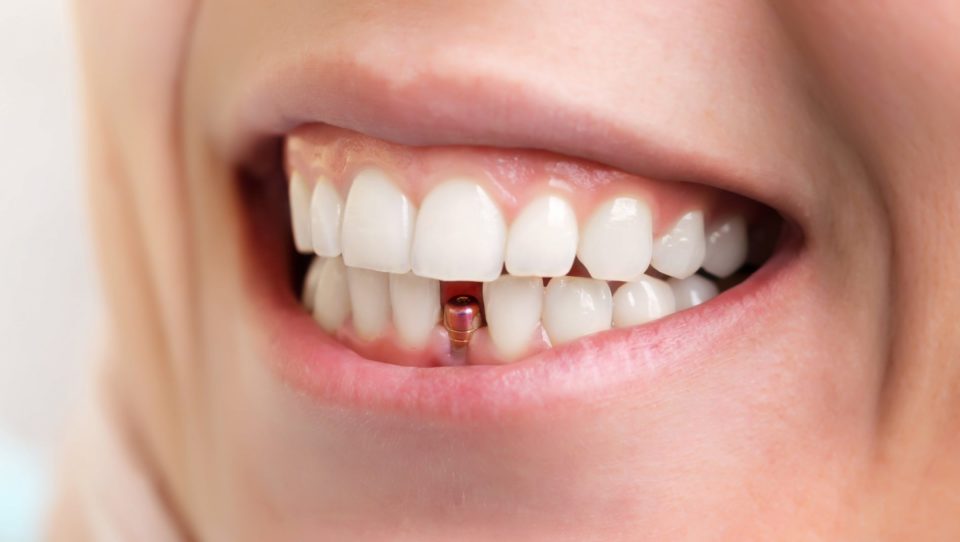
While a dental crown can last a lifetime, it can also break if you bite down too firmly on a nut, candy, or other hard items. Follow these instructions if this occurs to you to minimize suffering and have your dental crown fixed as soon as feasible.
Your dentist Dexter MI, could advise restorative therapy that involves using a dental crown if you have a tooth that is broken or susceptible. The afflicted tooth is covered by this ceramic cap, which protects it from external dangers that can endanger it further.
1.Remove the crown first.
2.Prevent the Blood Loss
Broken dental crowns often cause patients to experience bleeding from the gums, tongue, or face. There is a possibility that a damaged crown will have sharp edges, resulting in small cuts or scrapes. Typically, these wounds are minor, and bleeding can be stopped by biting down on some gauze. Call an emergency dentist if the bleeding doesn’t stop.
3.Make an appointment with a dentist.
For a cracked dental crown, professional care must be sought as soon as possible. Find out when you can get an appointment by calling your dentist. Don’t worry if you can’t get an appointment with a dentist immediately; the following advice can help you manage a cracked crown while you wait for a repair.
4.Select the Proper Pain-Relieving Drugs
You can manage the discomfort from a broken crown using over-the-counter pain relievers. Both ibuprofen and paracetamol are suitable choices. If one medication isn’t enough to make you feel better, you can take these two together. But don’t exceed the dosage suggested on the label.
Furthermore, you should never use aspirin to treat tooth pain. This is because taking aspirin before dental work increases the chance of mouth bleeding.
5.Use a cold compress
Applying a cool compress to your cheek on the sore side of your mouth will help relieve the discomfort from a cracked crown. Cold can be quite helpful at lessening pain because it decreases blood flow and, as a result, slightly numbs the area. Applying ice to your skin directly can harm it. Instead, enclose your ice pack in a cloth or towel.
