
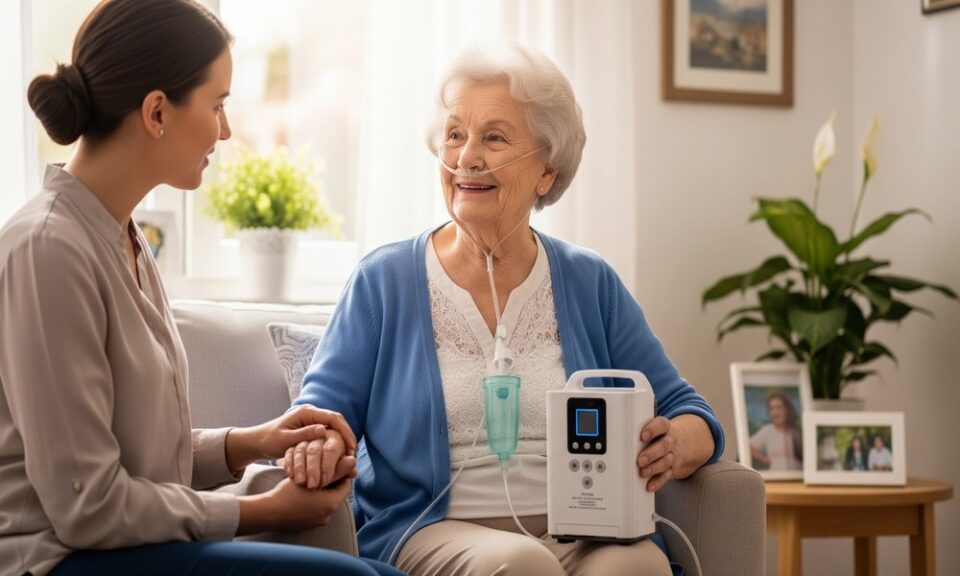
Respiratory health tends to matter more with age. Conditions like asthma, chronic bronchitis, allergies, and other breathing disorders can affect comfort, mobility, and day-to-day independence. Even “mild” symptoms can feel bigger in older adults because lungs naturally lose elasticity, breathing muscles can weaken, and other chronic conditions may be in the mix. All of that can make breathing issues more disruptive to routines and quality of life.
Managing respiratory conditions usually takes a few things working together: the right medical care, a home setup that reduces triggers, and consistent monitoring. Home caregivers, primary care providers, and respiratory specialists each have a role in keeping symptoms steady and preventing complications. With coordinated support, many seniors can manage symptoms well and continue living safely at home.
Understanding Age-Related Changes in Breathing
As people age, the respiratory system changes in predictable ways. Lung tissue becomes less elastic, the chest wall can stiffen, and the body may not exchange oxygen and carbon dioxide as efficiently as before. That means less “backup capacity,” so shortness of breath can show up faster during activity or illness. Recovery from respiratory infections can also take longer than it does for younger adults.
Older adults can also become more sensitive to common irritants like pollen, dust, smoke, and air pollution. For seniors who already have asthma, COPD, or chronic bronchitis, these triggers can lead to flare-ups more easily. Knowing what changes are normal and what is not helps caregivers and clinicians choose the right interventions and avoid preventable setbacks.
Recognizing Early Warning Signs
Catching changes early can help prevent complications and reduce the chance of hospitalization. Ongoing cough, wheezing, shortness of breath, chest tightness, unusual fatigue, or sleep changes can all be signs that respiratory health is slipping. The tricky part is that many seniors chalk these symptoms up to “just getting older,” which can delay care.
Primary care providers can help spot patterns before they become emergencies. Clinics such as Grand Forks Clinic, which provides primary care and chronic illness monitoring, often check lung health, review medications, and assess risk factors during routine visits. Regular follow-ups make it easier to notice subtle shifts and adjust treatment before symptoms escalate.
Managing Asthma and Allergies in Older Adults
Asthma and allergies are not just childhood issues. Some seniors live with long-standing symptoms, and others develop them later in life. Allergies can inflame the airways and trigger coughing, wheezing, and breathing discomfort. Because immune function changes with age, symptoms can look a little different in older adults, which sometimes makes diagnosis less straightforward.
Respiratory and allergy specialists can provide more targeted evaluation and treatment. Practices such as West Hills Allergy & Asthma Associates, which offers asthma care, allergy testing, and respiratory treatment, can help identify triggers and build a personalized plan. That plan often includes medications, practical strategies to limit exposure, and simple guidance on what to watch for day to day.
Why the Home Environment Matters
Home air quality has a big impact on breathing. Indoor allergens like dust mites, pet dander, mold, and strong cleaning chemicals can aggravate symptoms. Poor ventilation and exposure to smoke can make breathing more difficult, too. Small home adjustments can reduce triggers and help seniors feel more comfortable.
A few changes can go a long way: air purifiers, humidity control, regular cleaning, and cutting down on irritants. Caregivers and family members often help with these routines, which keep the home safer and more supportive for someone living with a respiratory condition.
Daily Monitoring and Practical Support
Consistency is everything with chronic respiratory conditions. Keeping an eye on breathing patterns, energy levels, medication use, and symptom changes can help catch problems early. Seniors who live alone may not notice subtle worsening, or they may wait too long to act, which is where caregiver support becomes especially valuable.
Home support services, such as those provided by Alpenglow Homecare (alpenglowcaresmt.com), which offers daily health monitoring, companionship, and home safety support, can help older adults stay on track with routines and spot changes sooner. Caregivers can also support medication reminders, mobility assistance, and communication with healthcare providers, which all add up to better stability over time.
The Emotional Side of Breathing Problems
Breathing issues can be scary. Shortness of breath often triggers anxiety, and anxiety can tighten breathing even more, creating a tough cycle. Seniors may also feel frustrated about reduced stamina or worried about becoming dependent on others.
Supporting emotional health is part of good respiratory care. Calming breathing techniques, relaxation exercises, counseling, and steady reassurance from trusted people can reduce anxiety and improve coping. Feeling supported makes it easier to follow a care plan and respond calmly when symptoms change.
Responding to Acute Respiratory Illness
Even with strong daily management, seniors can still develop infections like bronchitis, pneumonia, or viral respiratory illnesses. These can progress quickly and deserve prompt evaluation. Symptoms such as fever, significant shortness of breath, chest pain, or confusion should be treated as urgent.
Urgent care clinics can be a practical option when symptoms need quick attention but may not require the emergency department. Facilities like Carolina Urgent Care, which offer evaluation for respiratory infections and illnesses, can assess symptoms, run diagnostic tests when appropriate, and start treatment quickly. Early care often lowers the risk of complications and hospitalization.
Coordinated Care for Long-Term Stability
Respiratory conditions are often best managed as a team effort. Primary care clinicians, specialists, urgent care providers, caregivers, and family members all contribute to a steady, long-term plan. Clear communication between everyone involved helps avoid mixed messages and keeps treatment consistent.
Good coordination also helps seniors manage medications, follow-up visits, and lifestyle adjustments without feeling overwhelmed. When care is connected, patients tend to get clearer guidance and more reliable support, and that makes day-to-day breathing management easier.
Conclusion
Respiratory conditions can be challenging for older adults, but with the right support, many seniors can continue living safely and comfortably at home. Understanding age-related changes, watching for early warning signs, and staying consistent with medical care all make a meaningful difference. Caregivers, healthcare providers, and family members each play a key role in protecting respiratory health.
With a proactive plan, a home environment that reduces triggers, and steady monitoring, seniors can breathe more comfortably and feel more confident day to day. The goal is simple: fewer flare-ups, fewer emergencies, and more ease and independence at home.
